
Thesis: Feasibility Study of a Micro-Hydropower Plant for Grid Stabilization in a Rural Mountain Region of Tanzania
As part of a bachelor’s thesis in the Renewable Energy Management program at Weihenstephan-Triesdorf University of Applied Sciences, Johannes Ilg analyzed a remote micro-hydropower project in a northern mountain region of East Africa. The aim was to reassess the project’s technical, ecological, and socio-economic aspects and provide potential external financiers with a sound basis for decision-making. The study area is characterized by challenging topographical conditions and a still poorly developed infrastructure, which complicates project implementation.
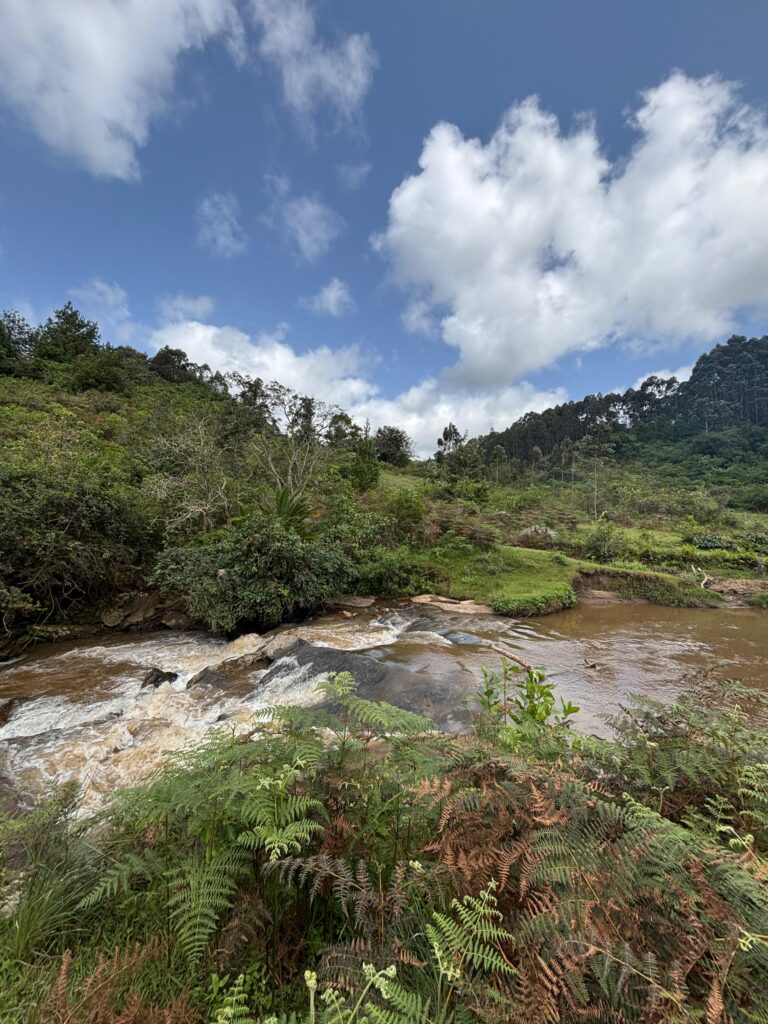
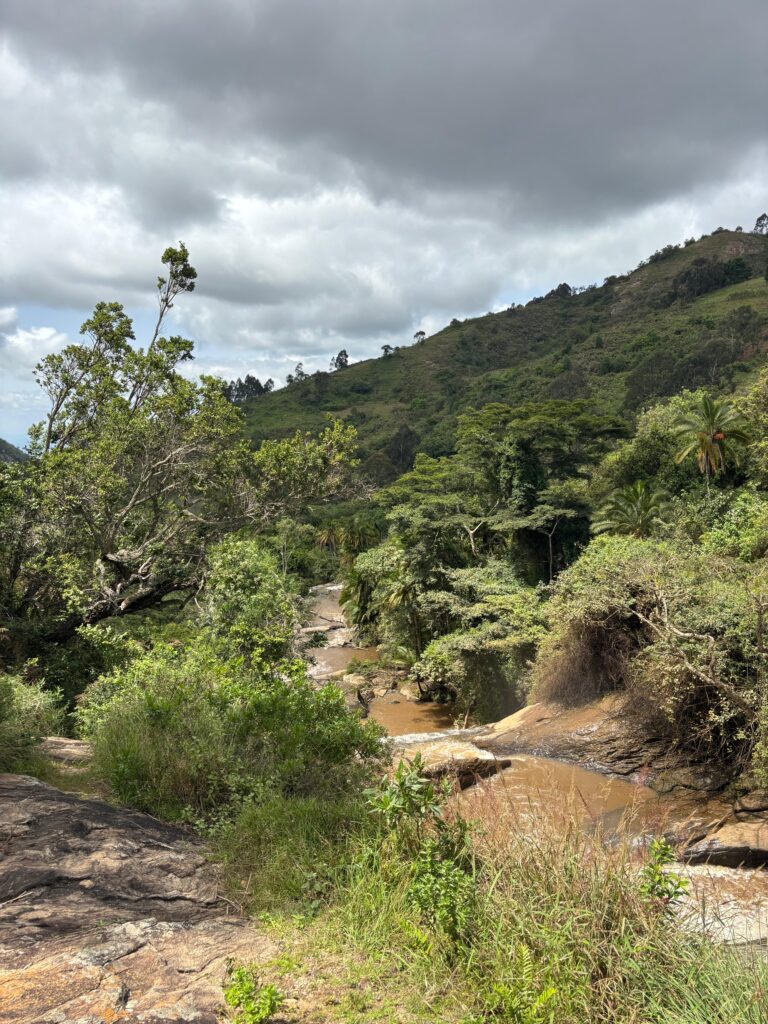
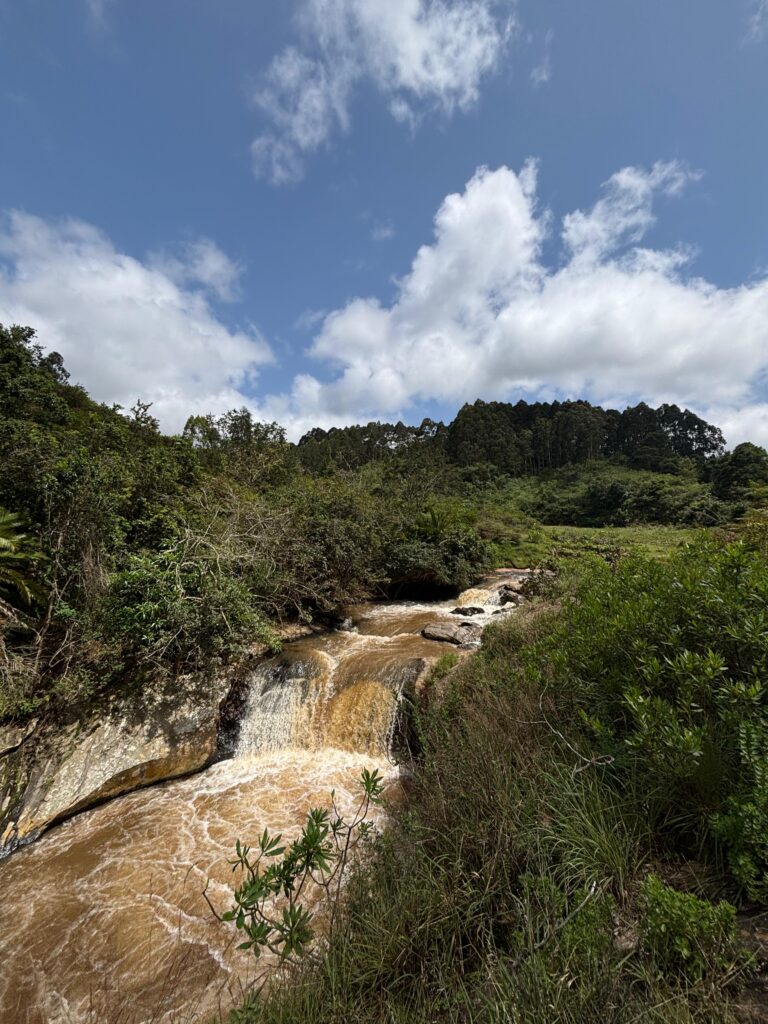
The methodological foundation of the study was a targeted research trip to the Arusha Technical College in Tanzania, which included both field studies at the project site and the establishment of local contacts. The technical concept of the hydropower plant was based on an existing doctoral dissertation; however, the physical implementation was discontinued at an early stage due to financial constraints.
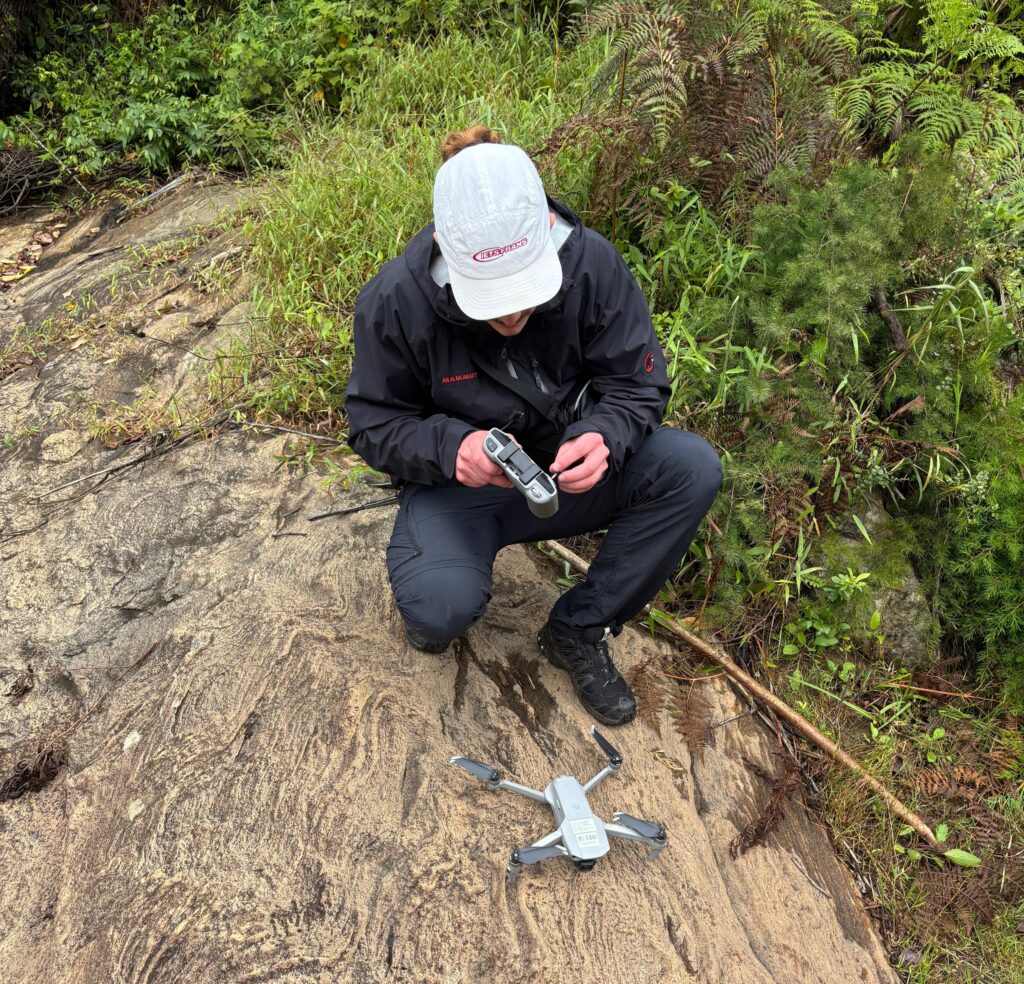
In the present work, a comprehensive feasibility study was conducted, systematically examining technical, ecological, and socio-economic parameters. Particular emphasis was placed on participatory involvement of the local population as well as on precise three-dimensional mapping of the physical environment using modern drone surveys and the Gaussian Splatting method for 3D modeling.
The technical design and feasibility assessment show that a micro-hydropower plant in the investigated region is both technically feasible and environmentally sustainable. Local stakeholders were involved through structured interviews with professors from Arusha Technical College, village administration representatives, local medical staff, the electricity supplier, and ordinary villagers. The evaluation of these participatory approaches revealed strong acceptance and high willingness among local residents to actively contribute to the construction and maintenance of the power plant. The 3D models of the site integrated both the natural topography and planned technical structures—such as a weir and turbine house—facilitating project visualization for potential investors.
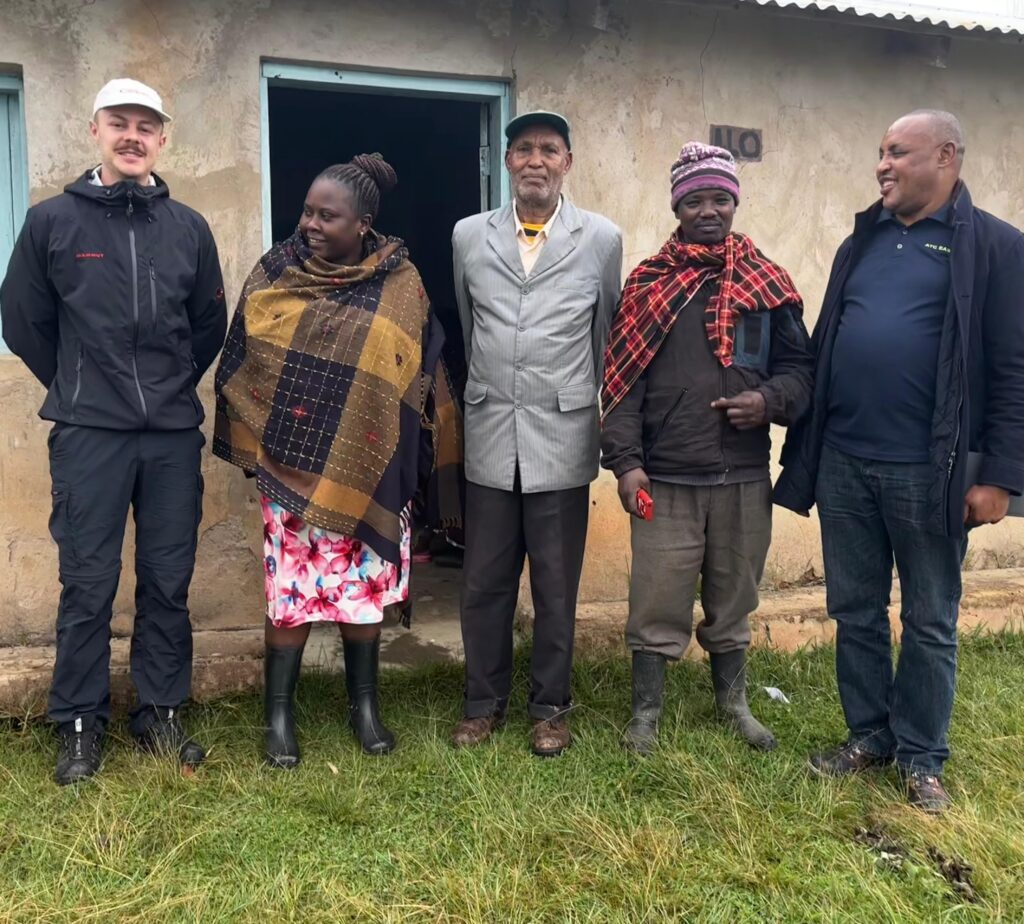
Empirical evidence, consistent with an independent regional study, confirms that successful electrification leads to measurable increases in household incomes and significant improvements in medical care. Interviewees emphasized the urgency of project implementation and the expected enhancements to their quality of life.
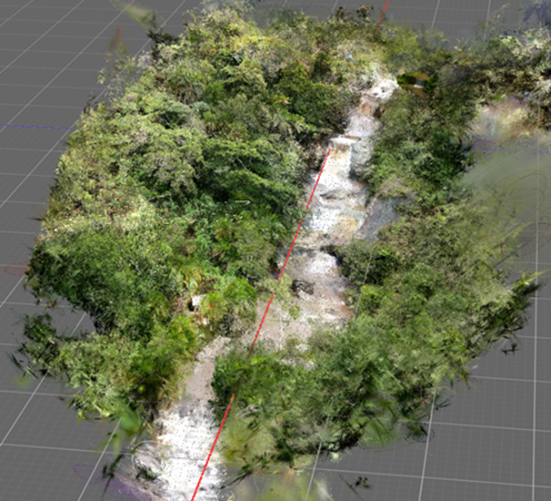
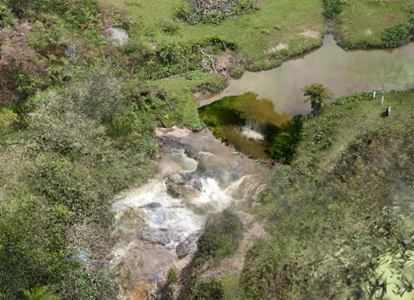
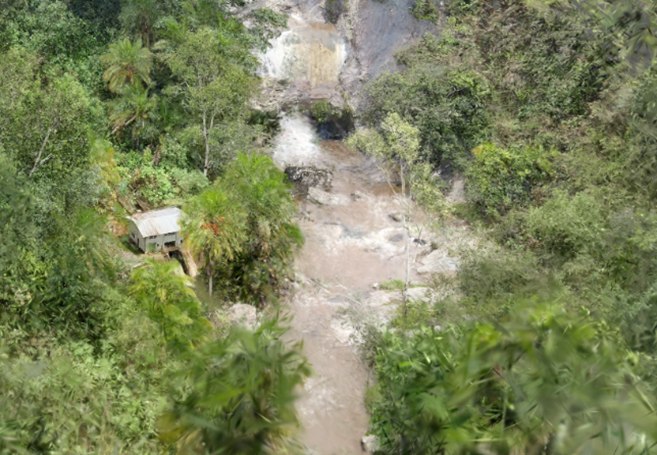
The main obstacle to construction progress remains the strained financial situation. Despite ongoing discussions with the Rural Energy Agency, currently the only funding body, substantial additional resources still need to be secured. The study’s key findings highlight the importance of clear, three-dimensional project visualization and active community involvement to build trust among external financiers. Moreover, the planned integration of the plant into the local power grid underscores its model character and offers potential for replication in other regions.
The thesis demonstrates that the combination of sound technical design, participatory social research, and modern 3D visualization can provide robust decision-making tools for renewable energy investments even in remote areas. The close involvement of the local population and the transferability of the results to other projects underline the sustainable and exemplary nature of this initiative. It is recommended that the project outcomes be integrated into Tanzania’s strategic energy infrastructure development and sustained in the long term.
Author: Johannes Ilg
Supervisor: Prof. Dr. Andreas Zeiselmair
With the kind support of Kinofreunde Aichach.